Hallucinations and Truth: Can You Trust What AI Says?

An AI can tell you something completely false in crisp, confident, professional prose, and that combination of fluency and error is the central trust problem of the technology. This cluster takes the phenomenon of hallucination apart, explains why it happens, and surveys the serious work underway to make these systems more truthful.
Why Machines Confabulate
The starting point is understanding what a hallucination actually is and why it happens at all. Language models are trained to produce plausible continuations of text, drawn from a vast library of everything people have written, and plausibility is not the same as truth. A model can confidently describe an event that never occurred because the shape of the sentence fits, not because the fact checks out. Worse, the confidence itself is misleading. A convincing tone carries no information about accuracy, and learning to distrust fluency as a signal of correctness is one of the most useful habits a person can build.
The Fight for Factuality
Researchers are not standing still. Retrieval augmented generation lets a model check sources before answering, and the frontier now pushes beyond it toward richer factual grounding. Some of the most promising directions attack the root of the problem, using causal inference to move systems past mere correlation and geometric approaches that grasp the mathematical structure underneath data rather than surface patterns. None of this works without measurement, and benchmarking factuality is its own genuinely difficult discipline, because defining and testing truth at scale is far harder than it sounds.
The Human at the Center
For all the technical progress, people remain the ultimate fact checkers. Every correction a person makes feeds back into better systems, and in high stakes settings human review is not a temporary crutch but a permanent and load bearing part of the design. The goal is not to remove human judgment but to place it where it matters most.
Truth as an Ongoing Practice
The honest conclusion running through these articles is that truthfulness in AI is a practice, not a solved feature. Progress is real and accelerating, yet the responsibility to verify has not left human hands and should not. Understanding why these systems make things up is what lets you use them well, trusting them where they are strong and checking them where they are not.
Keep reading
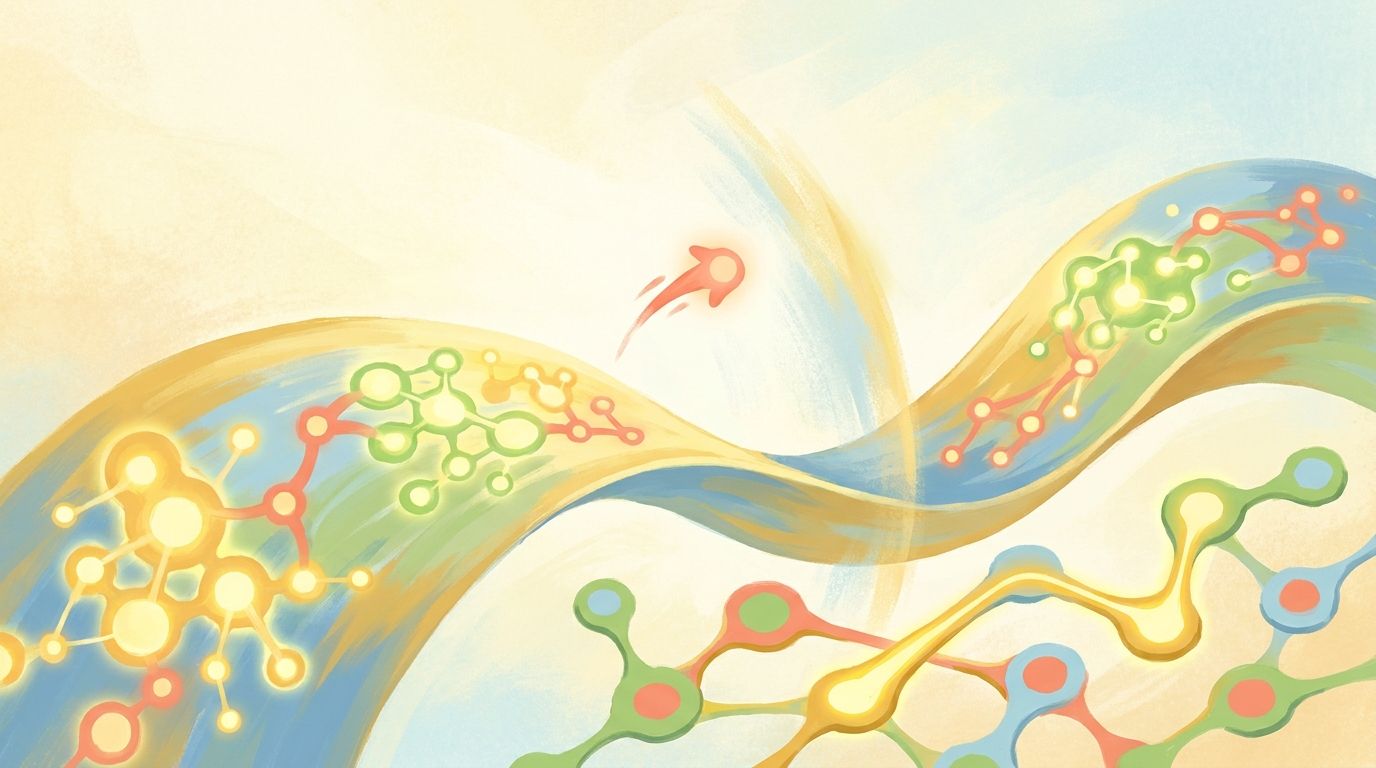
Geometric deep learning - AI that understands the fundamental mathematical structures underlying data rather than just memorizing patterns - promises to eliminate hallucinations by building models
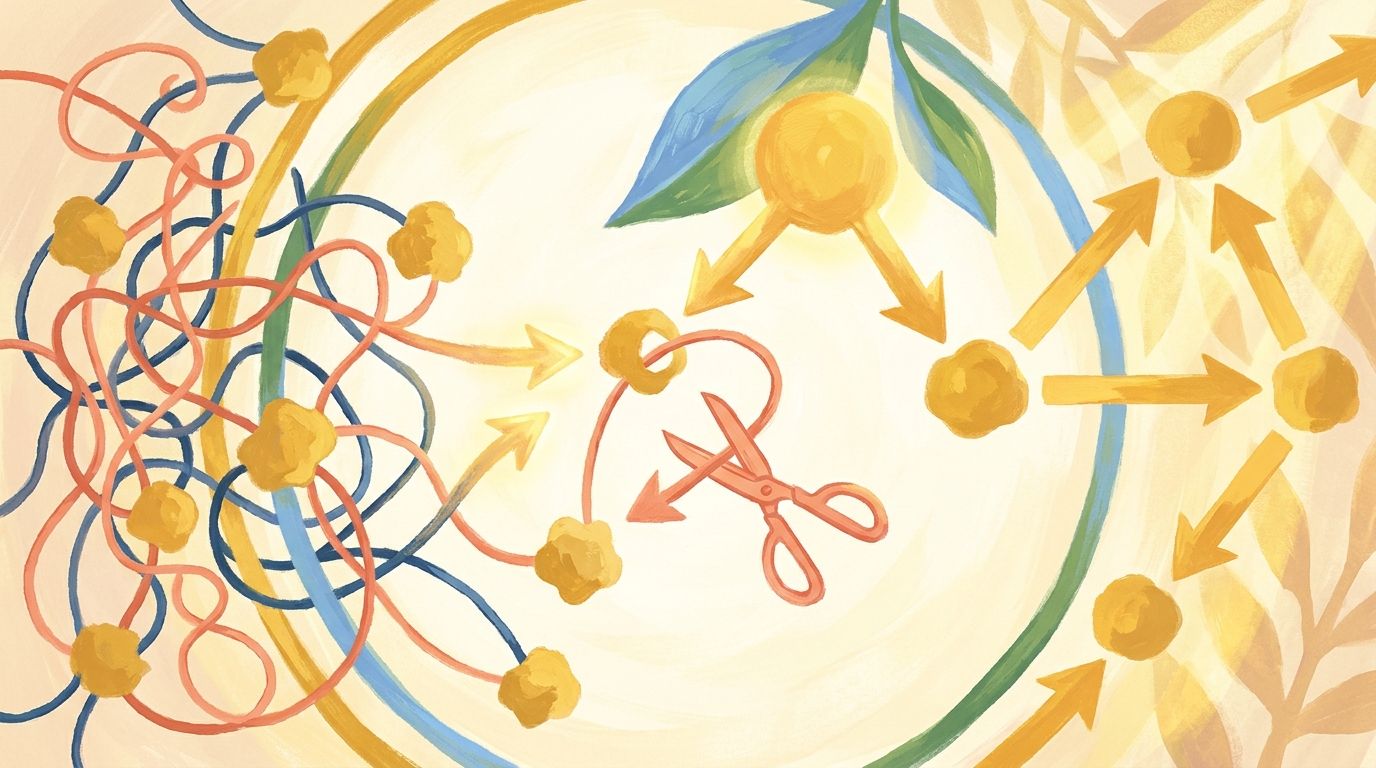
Current AI systems are masters of correlation - they know that "rain" appears near "wet" and "umbrella" in text. But they don't understand that rain causes wetness, or that wetness motivates umbrella

How do you measure whether an AI is telling the truth? It sounds like a simple question, but it's one of the most complex challenges in modern AI development. Unlike measuring speed or accuracy on