Agents and Autonomy: When AI Takes Action

Something fundamental shifts when AI stops merely answering and starts acting. A system that can book a flight, run code, or send a message on your behalf is a different kind of thing than a chatbot, and it carries a different kind of responsibility. This cluster follows AI across that line, from conversation into autonomy, and takes seriously what changes on the other side.
How Agents Actually Work
An agent is more than a clever conversationalist. Underneath sits an agentic loop, a cycle of perceiving a situation, planning a response, taking an action, and observing the result before going again. Memory lets an agent hold context across that loop and across sessions, remembering preferences and progress rather than starting fresh each time. And crucially, agents reach the real world through interfaces. An API is the bridge that lets a system check the weather, query a calendar, or complete a purchase, which is why understanding these connections demystifies what can otherwise look like magic. When agents extend into sensors and machines, through the merging of connected devices and robotics, that reach becomes physical.
The Weight of Autonomy
Capability and responsibility rise together. Once a system can take actions with consequences, the old shrug of not knowing how it works stops being acceptable, and accountable design becomes essential. This cluster examines the architecture of trust that makes agents auditable and answerable, alongside a frank look at risk from multiple perspectives. There is also a personal dimension, a new sense of do no harm for a time when the tools acting in your name can do real things, which places genuine responsibility on the people who deploy them.
Promise and Perspective
None of this is settled hype. Agents that book travel, write code, and manage tasks are genuinely useful, and they are also genuinely early, prone to mistakes and easy to overtrust. The honest question is not whether they will replace your assistant but how much autonomy to grant, under what oversight, and with what recourse when things go wrong.
Toward Trustworthy Autonomy
Read across these articles and a principle emerges. Autonomy is valuable in proportion to the trust that surrounds it. The systems worth building are the ones whose actions can be understood, constrained, and accounted for, and whose human operators remain clearly responsible. That is the standard this collection holds these systems to, and the one worth carrying into a future where more and more software acts on our behalf.
9 articles
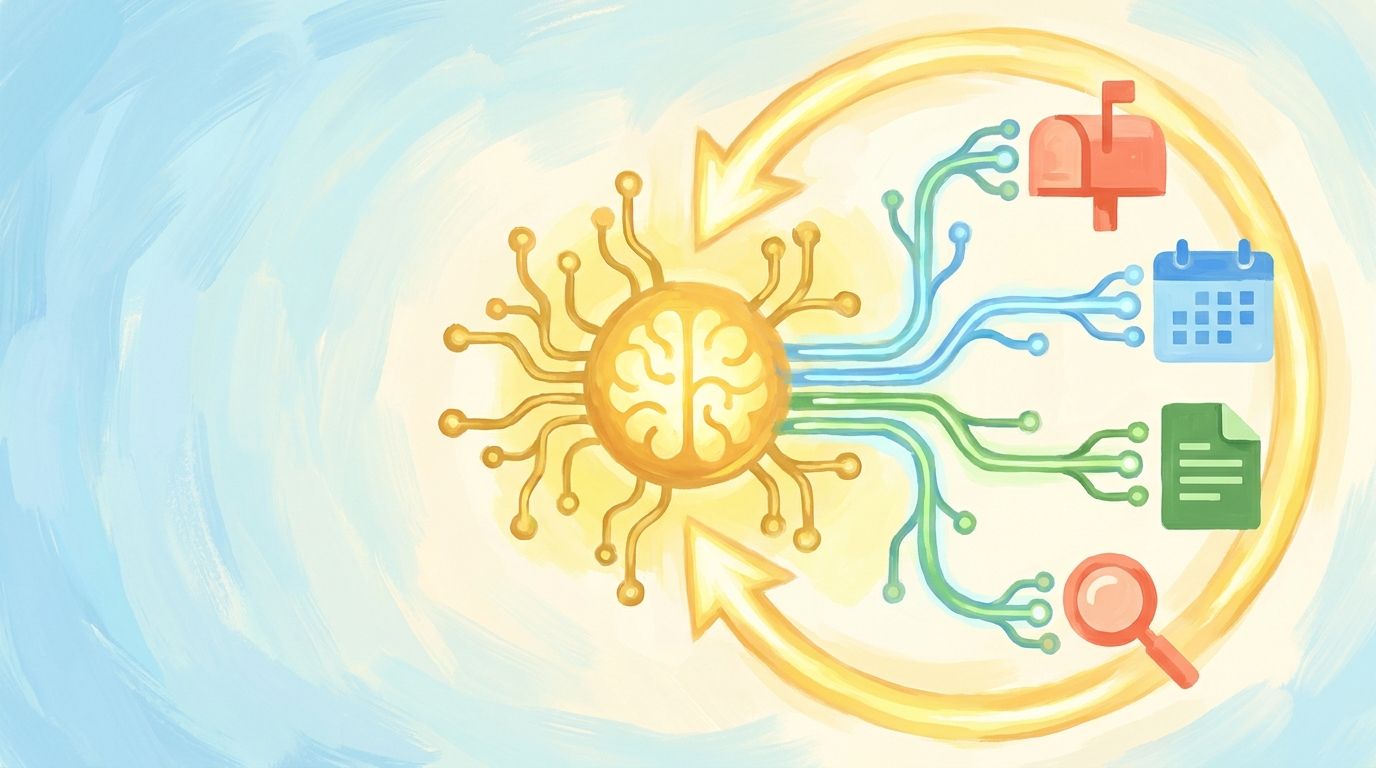
AI agents are autonomous software programs that perceive their environment, make decisions, and take actions to achieve specific goals - like having a digital team member who understands context,

The convergence of the Internet of Things (IoT) and Robotics is creating a new paradigm of "embodied AI." In this model, IoT devices act as a global sensory system (the "nerves"), feeding real-time

AI agents differ from traditional AI systems in their ability to take autonomous actions on behalf of users, raising fundamental questions about responsibility and risk. While chatbots simply respond

As AI transitions from answering questions to taking actions, "I don't know how it works" is no longer an acceptable answer. When an AI agent manages someone's finances, handles medical data, or

We've entered a new era of artificial intelligence. The chatbots that once helped us write emails can now book flights, manage calendars, and even handle financial transactions. These AI agents don't

Imagine trying to help someone plan a vacation, but every few minutes you forget everything about their preferences, budget, and what you've already searched. This is the fundamental challenge AI

When you ask an AI agent to book a restaurant, something remarkable happens. Unlike a simple chatbot that just responds with words, the agent begins a cycle of thinking and acting that mirrors human

When AI agents book your flights or check the weather, they're not magically accessing hidden databases. They're using APIs - Application Programming Interfaces - the same tools that power almost
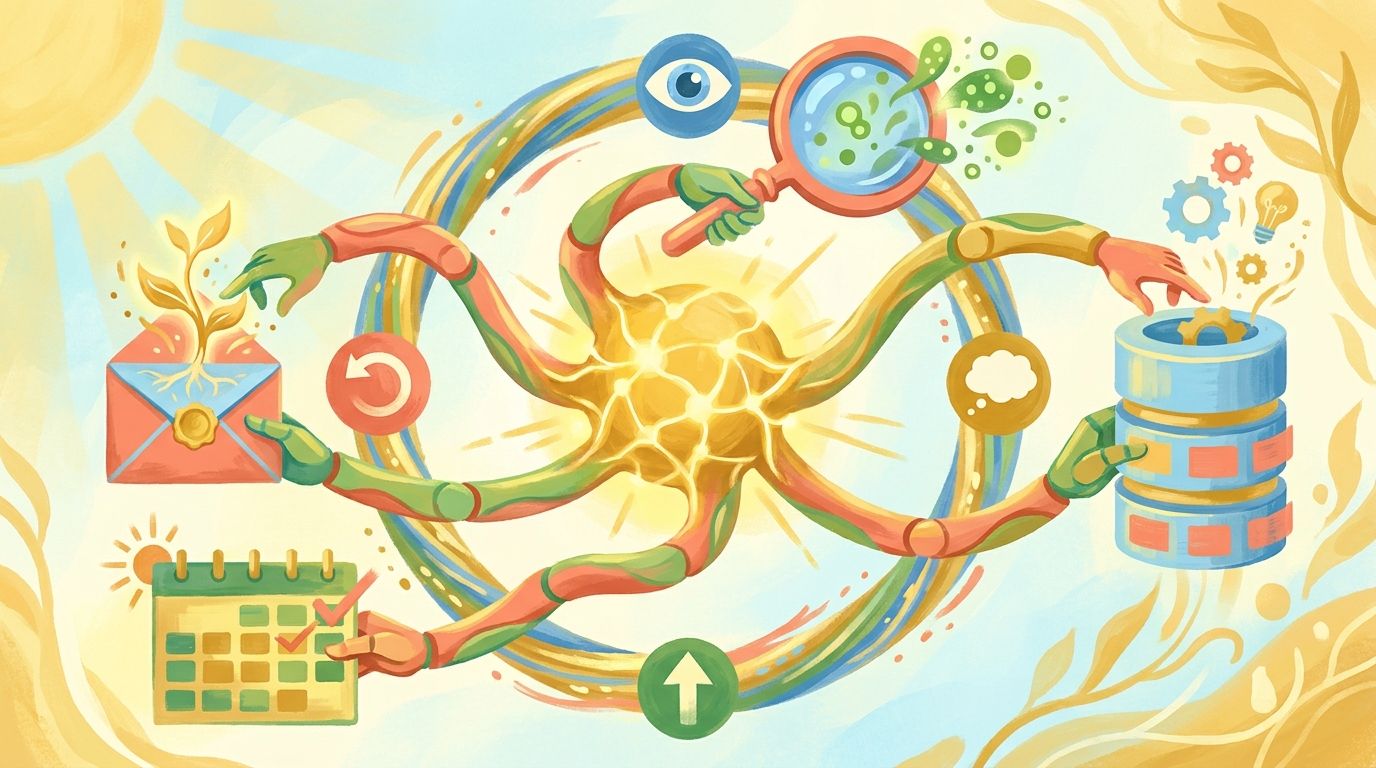
You've probably heard the buzz about AI agents - systems that can supposedly book your flights, write your code, and manage your calendar. But what exactly transforms a chatbot that answers questions